
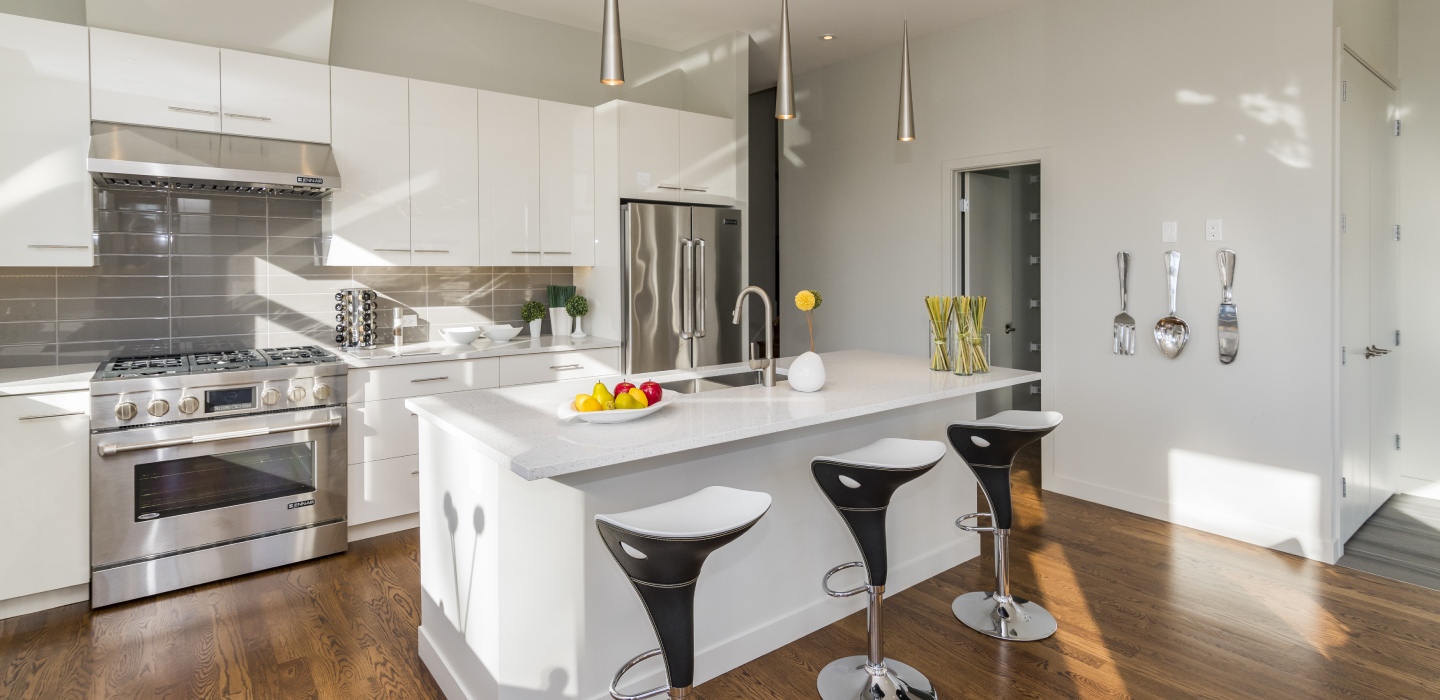
Peninsula Kitchen Layout: Smart Design Ideas for Style, Flow, and Function
Thinking of revamping your kitchen? A peninsula layout is the secret ingredient for homes craving space-savvy design without sacrificing style. Whether you’re after improved workflow, extra seating, or a visual divide in an open-plan area, this layout blends form and function beautifully.
You’ll get pro-level cooking zones, natural traffic flow, and even a touch of entertainment-friendly charm. Let’s explore how to make your peninsula kitchen layout work smarter, look sharper, and feel better.
What Makes a Peninsula Kitchen Layout Unique?
Unlike an island, a kitchen peninsula is connected on one side—usually extending from a wall or cabinetry. This forms a U- or G-shaped kitchen zone that’s brilliant for small to mid-sized homes where maximizing space is key.
Think of it as an attached island—it anchors the room, defines boundaries, and offers the functionality of an island without needing the floor space. Great for adding storage, prep surfaces, or seating space—all without major structural changes.
Pros and Cons of a Peninsula Kitchen Layout
Wondering if a peninsula is the right fit? Let’s break it down clearly so you can decide with confidence.
Pros
Space-Efficient: Adds extra counter and storage without needing full clearance like an island.
Zoning Power: Helps define kitchen space boundaries in open-plan homes without full walls.
Easy to Retrofit: Great for kitchen renovations—often easier to add than an island.
Versatile: Doubles as a prep space, dining spot, tech zone, or social hub.
Work Triangle-Friendly: Supports efficient layout between sink, stove, and fridge.
Cons
Limited Access: Only accessible from three sides—can feel boxed in if not well-placed.
Potential Bottlenecks: May disrupt traffic flow if space around it is too tight.
Not Ideal for Large Kitchens: Might look undersized or awkward in wide, open layouts.
Design Constraints: Placement is often fixed; hard to reconfigure once installed.
Bottom line? If you want island-like benefits without the space demands, a peninsula is a smart, stylish contender—just make sure it fits your floor plan.
Functional Layout Tips for Better Flow and Efficiency
To master your peninsula layout, prioritize the kitchen work triangle—that golden route between the stove, sink, and fridge. Keep traffic paths clear and avoid crowding entry points.
Here’s how:
Leave at least 36 inches of clearance around the peninsula
Place appliances thoughtfully—no blocked drawers or bumping elbows
Use the peninsula for focused tasks, like chopping, snacking, or casual chats
Efficiency isn’t just design—it’s how your kitchen feels when life’s in full swing.
Peninsula Kitchen Layout Ideas for Different Spaces
Not every kitchen speaks the same design language—and peninsula layouts are impressively adaptable. Whether you’re in a studio apartment, a sprawling open-concept living space, or somewhere in between, a peninsula can boost both form and functionality.
We’ll break it down by lifestyle and layout:
Small spaces? You’ll need to think vertical.
Open-plan? It’s all about cohesion.
Family homes? Multi-zones are your MVP.
Love to entertain? The peninsula becomes your stage.
Each setup is designed to balance worktop space, traffic flow, and smart use of extra counter space, with many designs doubling as informal dining space too. Let’s tailor-fit your kitchen to your life.
For Small Kitchens: Maximize Every Inch
Tight on space? A peninsula can act as a room divider, prep area, and storage solution in one clever move. The trick lies in space optimization. Think minimal depth, smart cabinetry, and clean lines that visually open up the room.
Use Slim Countertops and Narrow Bases
Go lean—12″-18″ deep counters work wonders in tight spots. Pair with shallow base cabinets or even open shelving to avoid a bulky feel. This still gives you prep space without cramping your walkways.
Add Vertical Storage Above or Beside
Wall-mounted shelves or overhead cabinets turn dead space into a storage dream. Utilize pegboards, rails, or hanging racks to keep tools and spices within reach—without cluttering up your base.
For Open-Plan Homes: Create Seamless Transitions
A peninsula layout can create visual distinction without cutting it off. It’s your visual cue that says, “This is the kitchen,” while still inviting guests and family to mingle freely.
Extend Countertops Into a Breakfast Bar
Push the countertop out a bit and tuck in some stools—now your peninsula does double duty. It’s a social hub, a snack station, and a casual dining spot without building a wall.
Match or Contrast With Nearby Furniture
Here’s a styling trick: Match cabinet tones with nearby shelving for a unified look, or go bold with a contrasting finish—navy blue peninsula + light oak dining set? Instant designer vibes.
For Busy Families: Build Multi-Functional Zones
When your kitchen doubles as command center, snack bar, and homework HQ, your peninsula has to flex. Smart zoning is key—assign parts of the peninsula to different tasks for clutter control and flow.
Think: cook here, charge there, store everywhere. It’s all about modular function, tailored to your family’s daily rhythm.
Add Outlets for Charging and Devices
Built-in USB ports and outlets? Game-changer. Your peninsula becomes a tech zone where kids can charge tablets, or you can glance at a recipe on your phone—without tripping over cords.
Incorporate Seating and Storage
Add bench-style seating with lift-up lids or drawers underneath. You get hidden extra storage space for lunchboxes and snacks—plus a cozy perch for morning waffles or after-school chats.
For Entertainers: Create Social Hubs
Hosting dinner parties or Sunday brunch? Your peninsula becomes the main stage. Use it as a drink station, plating zone, or interactive prep space while guests mingle.
The layout should invite interaction—chef on one side, friends on the other. Casual, functional, and totally Instagrammable.
Integrate a Wine Fridge or Beverage Center
Install a compact wine cooler or beverage drawer in the peninsula base. It keeps drinks handy and guests out of your way while you’re cooking—plus, it feels just a little luxe, doesn’t it?
Use Statement Lighting Above
Lighting is mood. Go for pendant lights or a sleek fixture that turns heads and defines the zone. Bonus: it adds a warm, ambient glow that makes any gathering feel intentional.
For Design-Forward Kitchens: Make a Statement
For the style-conscious, your peninsula is a canvas. Play with form, materials, and finishes to create a design centerpiece that doesn’t just blend—it commands attention.
Form follows function… but sometimes, form leads the way.
Try Unique Shapes Like Curved or Angled
Step away from the straight line. A curved peninsula softens the space and encourages flow. Angled layouts can redirect traffic subtly, adding movement to your design and conversation alike.
Play With Texture and Material Contrasts
Go bold with a wood waterfall edge, fluted panels, or brushed metal accents. Contrasting textures add visual depth—think polished marble top over matte black cabinetry. It’s not just a kitchen—it’s a vibe.
For Storage-Focused Layouts: Optimize Every Surface
If your kitchen’s always short on space, it’s time to turn your peninsula into a storage powerhouse. Every inch matters—inside, outside, even sideways. The goal? Make your peninsula work as hard as you do, without looking like it’s trying.
From utensils to appliances, there’s room for everything—if you design smart.
Add Deep Drawers and Side Shelving
Forget cluttered cabinets. Full-extension drawers store pots, pans, and pantry items effortlessly. Bonus? Add side-mounted open shelves for cookbooks, bowls, or a stylish plant moment. Storage meets décor.
Combine Closed and Open Storage
Mixing concealed cabinets with display zones keeps your kitchen tidy and expressive. Show off pretty dishware, hide the Tupperware chaos. Functional contrast = visual balance.
Exploring Unique Peninsula Shapes and Structures
Not all peninsulas are created equal. From geometric edges to two-tiered tops, the shape you choose impacts both workflow and aesthetics. Want more visual intrigue or tailored ergonomics? Go custom.
Popular structural tweaks include:
Angled peninsulas for open-concept transitions
Rounded corners to improve traffic flow
Split-level countertops for cook vs. serve zones
Play with geometry—it can reshape how your kitchen works and feels.
Peninsula Seating Arrangements That Work
Let’s talk stools, spacing, and seat harmony. Your peninsula seating should feel inviting, not cramped—and it must support real-life use, from coffee chats to homework sessions.
Smart seating layout tips:
Allow 24″ per seat to avoid elbow wars
Choose backless stools in tight spaces
Mix counter-height and bar-height mindfully—measure twice!
And don’t forget comfort. A beautiful seat no one wants to sit in? Decor, not design.
Common Pitfalls to Avoid With Peninsula Design
Peninsulas are powerful—but only when well-planned. Skip the guesswork by steering clear of these frequent missteps:
Poor clearance: Always leave 36″+ of walkway space
Awkward appliance placement: Don’t trap your oven behind seating
One-size-fits-all seating: Tailor to your kitchen’s unique dimensions
Overcrowding: A peninsula shouldn’t feel like a barricade
Design for how you live, not just how it looks in a Pinterest photo.
Pro Tip: At Thomas Matthew Kitchens, we specialize in layouts that avoid these pitfalls from the start. Our expert designers help you create a peninsula that works as beautifully as it looks.
Comparing Peninsula vs. Island Layouts
Wondering if a peninsula or kitchen island is better for your kitchen? Here’s the bite-sized breakdown:
Feature | Peninsula | Island |
|---|---|---|
Space Needed | More compact | Requires more clearance |
Workflow | Great for work triangle setups | Best in open kitchens |
Installation | Easier to retrofit | May need plumbing/electrical work |
Style Impact | Seamless integration | Statement centerpiece |
If space is tight, a peninsula wins. If you’ve got room to roam, an island might shine brighter.
Tips for Adding a Peninsula to an Existing Kitchen
Retrofitting a peninsula? Smart move—just make sure it works with your current layout, not against it.
Before you build:
Map your current traffic flow—no blocked paths!
Confirm appliance and cabinet clearance zones
Choose a surface material that blends or complements
Add lighting early—don’t wire after the fact
Pro tip: Use painter’s tape to mark dimensions on the floor and “test drive” the footprint.
Explore More Kitchen Layout Ideas
Not sure if a peninsula layout is the perfect fit? Dive deeper into other popular kitchen configurations to find the style that suits your space and lifestyle:
U-Shaped Kitchen Layout – Great for maximizing storage and enclosing your cooking zone.
Galley Kitchen Layout – A compact powerhouse ideal for efficient workflow in narrow spaces.
L-Shaped Kitchen Layouts – Flexible, open, and perfect for corner spaces.
Kitchen Layouts with Island – For spacious kitchens with a central gathering point.
One-Wall Kitchen Layout – Minimalist and modern, ideal for studio apartments or tight floorplans.
Open Plan Kitchen Layout – Designed for social living and visual flow between spaces.
Each layout comes with its own strengths—explore them all to find your perfect fit.
Final Thoughts on Planning a Peninsula Kitchen Layout
A well-planned peninsula doesn’t just look good—it works with your life. Whether you’re cooking, hosting, storing, or sipping wine at 11 p.m., it should adapt to your rhythms.
Here’s your final design mantra:
Function → Flow → Finish → Flair.
Start with how you live, then build around that. The peninsula is more than a design trend—it’s a lifestyle enhancer in disguise.
At Thomas Matthew Kitchens, we specialize in creating kitchen layouts that blend precision design with personalized functionality. Whether you’re retrofitting a tight space or designing a statement peninsula from scratch, our team can help bring your vision to life—with craftsmanship, clarity, and care.